BARC Criticality Alarm System
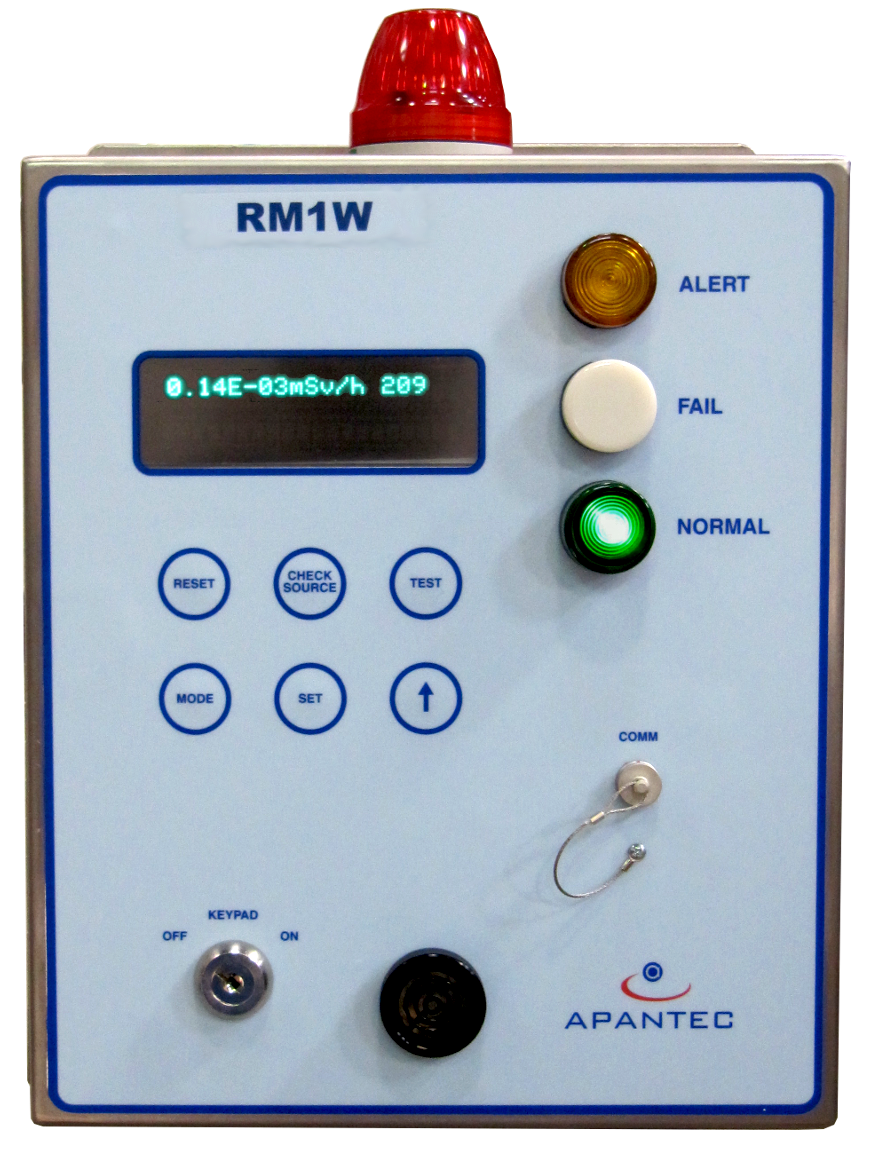
A complete criticality alarm system installed at the Bhabha Atomic Research Centre in Mumbai — three RM1W DCUs, three GI1VI detectors, 2-of-3 logic PLC, and full DORIS Server & Client integration.
From small modular reactors to recommissioned giants powering hyperscale data centers, APANTEC delivers the safety-grade instrumentation, software, and lifecycle support that the new nuclear era depends on.
Whether you're certifying a first-of-a-kind microreactor or restarting a 1,200 MW BWR to feed an AI training cluster, APANTEC's modular instrumentation scales to your application — and our quality program scales to your regulator.
Compact, fully integrated RMS that fit the SMR design philosophy: factory-built, safety-grade, and ready for serial deployment. We work alongside vendors and AE firms during licensing and FOAK construction.
Restart projects need RMS that's qualified for safety-grade duty and integrates with modern plant DCS. We refurbish legacy NRC and Canberra channels, supply form-fit replacements, and stand up DORIS for centralized telemetry.
From neutron monitoring at FRIB to area RMS for university research reactors, our channels are flexible enough for academic experimentation and rugged enough to run continuously for decades.
Tokamak-class neutron flux. Tritium handling. Activation of structural components. Fusion pilot plants need an instrumentation partner that already understands neutron and gamma metrology at scale.
Cyclotron and PET facility monitoring with the dynamic range to handle both ambient backgrounds and stack-level releases. Compliant documentation that satisfies state radiation control programs.
From DOE national labs to MRDIS systems screening containerized cargo at international seaports, APANTEC instruments operate in environments where reliability is non-negotiable.
The same modular instrument family scales from a single area monitor to a full plant — and every component is documented, qualified, and supported for the full plant lifetime.
Qualified to 10CFR50 Appendix B and audited by NUPIC. Class 1E qualifications per IEEE-323, IEEE-344, and Regulatory Guide 1.97 — ready for the most demanding regulatory environments.
Standard detectors, DCUs, samplers, and the DORIS software platform interconnect over Ethernet (PoE optional) — purpose-built for the configure-don't-customize world of SMR deployment.
We refurbish legacy NRC and Canberra equipment, hold spares for the global installed base, and offer extended-warranty service contracts that outlast typical OEM commitments.
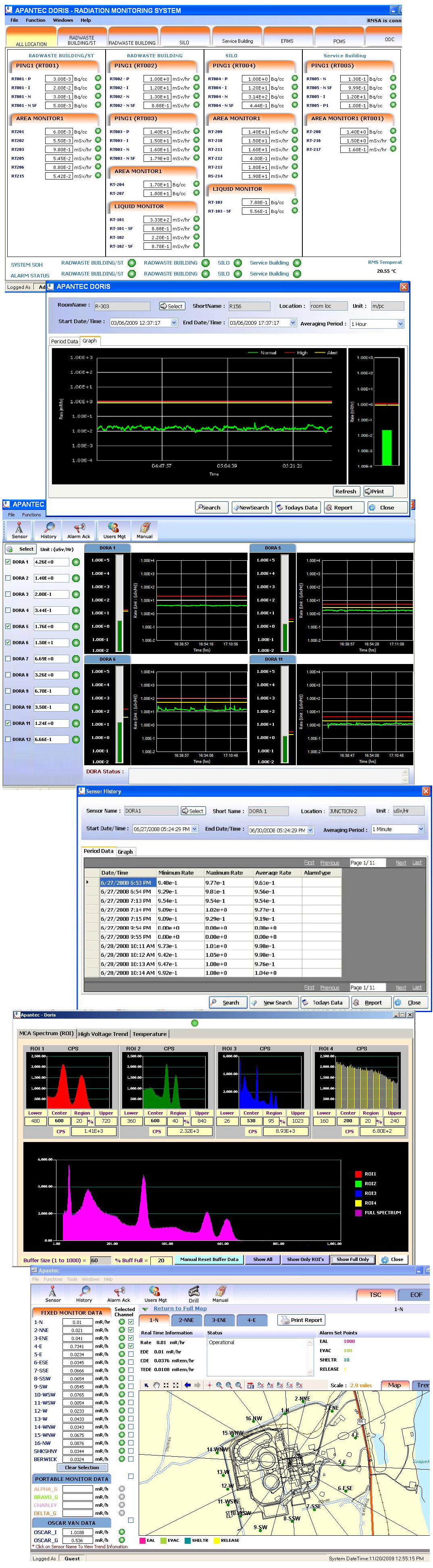
MODBUS, RS-485, and TCP/IP interfaces ship standard — drop our channels into existing plant DCS or pipe everything into DORIS for unified visualization and historian-grade archiving.
From 10 nSv/h ambient backgrounds to 5×10⁷ R/h post-accident fields — our detector lineup spans seven orders of magnitude with traceable NIST calibration.
Designed, manufactured, and supported from our Lansdale, PA facility — with international representation in Mumbai. Domestic supply chain matters when the federal nuclear reauthorizations land.
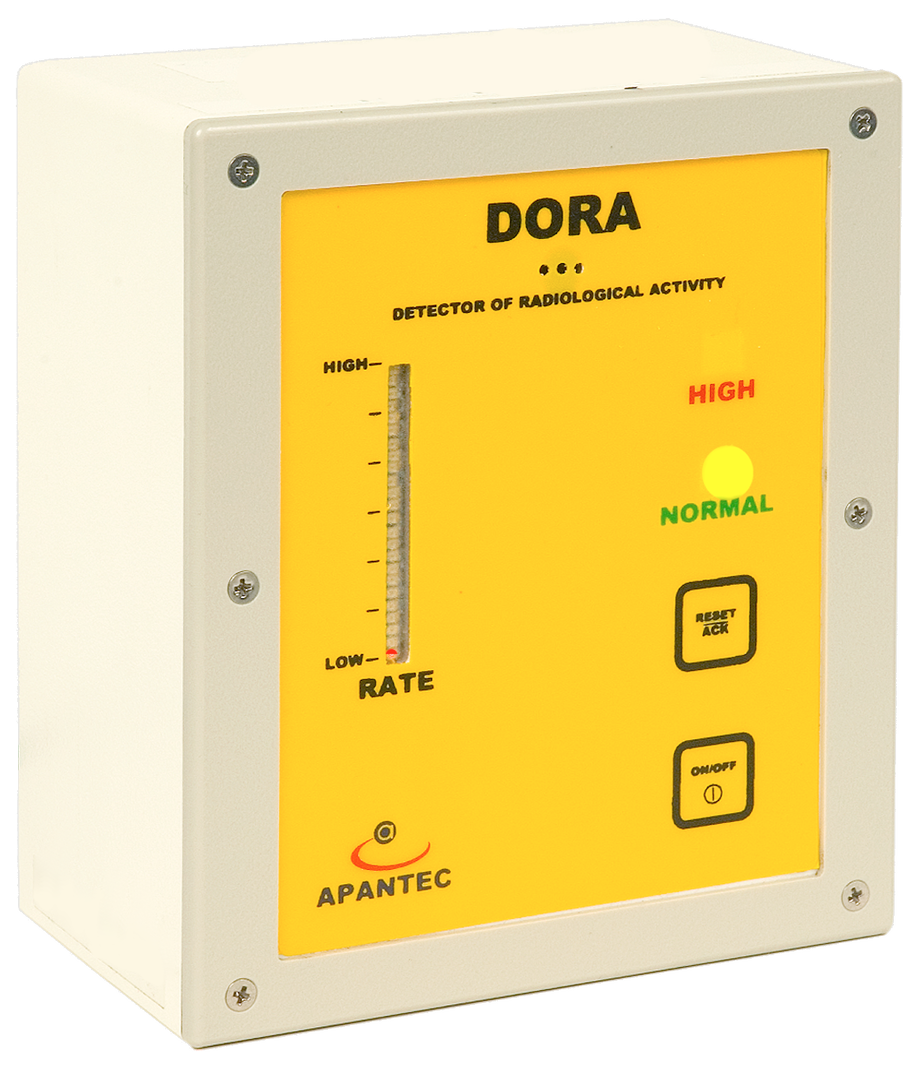
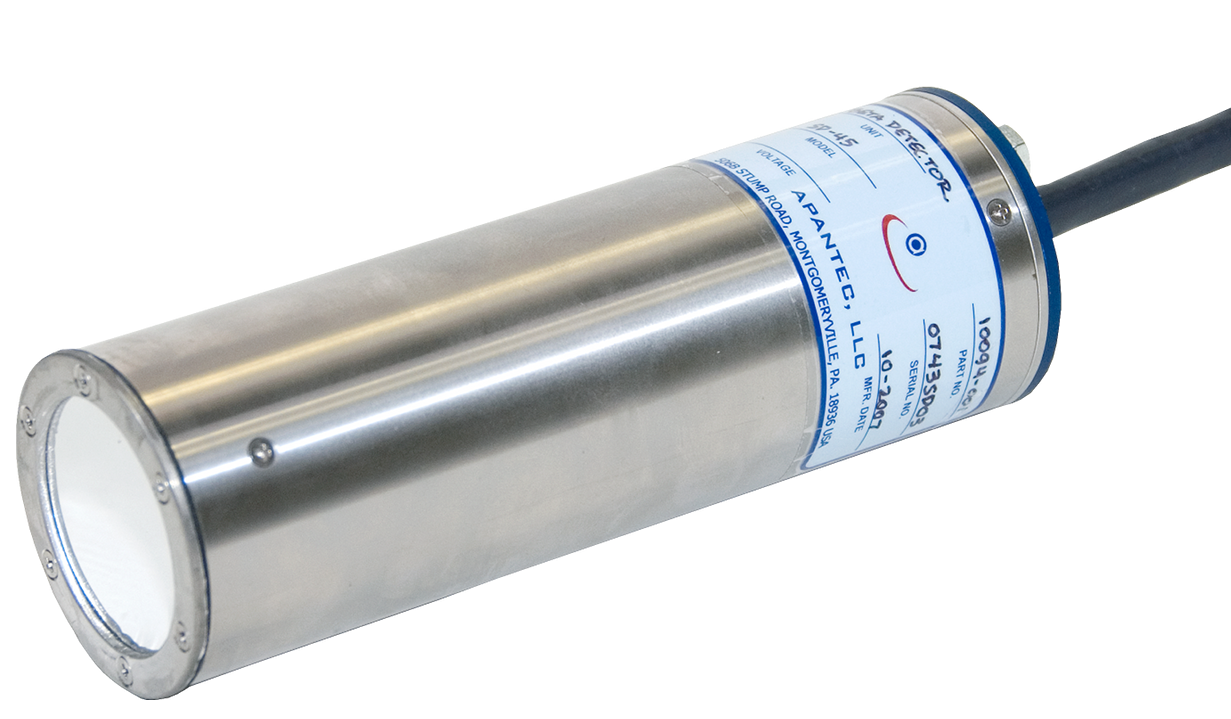
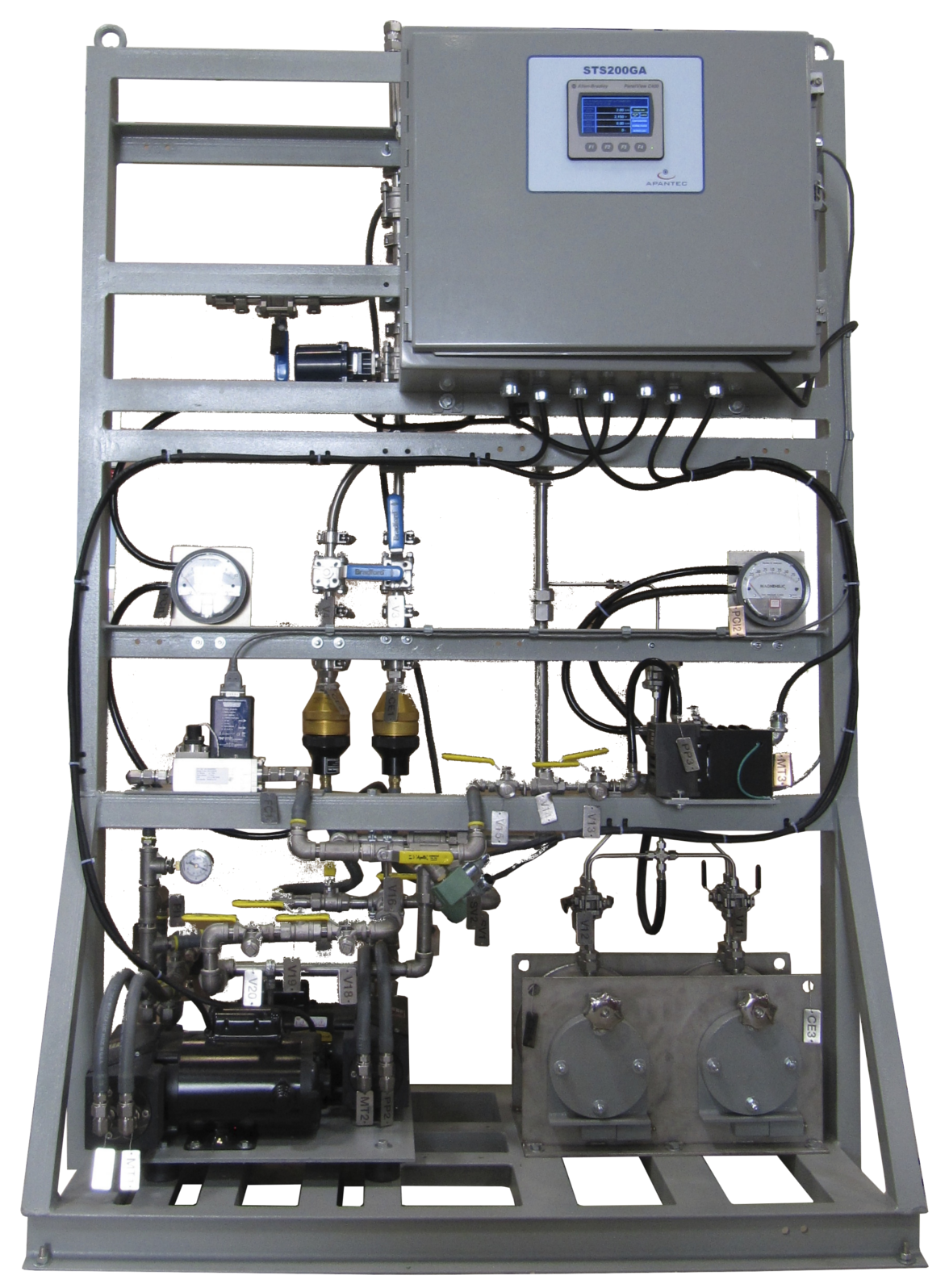
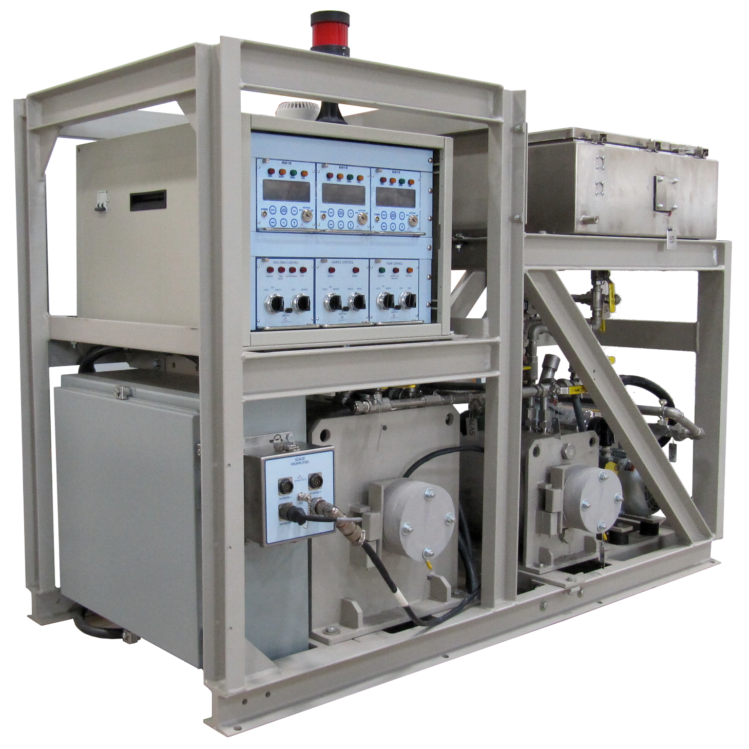
A complete product line of detectors, display and control units, samplers, and software — all interoperating over standard interfaces.
The nuclear-to-data-center thesis only works if legacy plants come back online safely, on schedule, and within the regulatory envelope. That requires more than just a few new detectors — it requires an instrumentation partner who already supports the equipment installed on day one and can integrate seamlessly with new safety system designs.
APANTEC carries spare parts for NRC and Canberra channels going back four decades, refurbishes legacy electronics to factory condition, and provides form-fit-and-function replacements that drop into existing infrastructure without re-licensing the surrounding system.
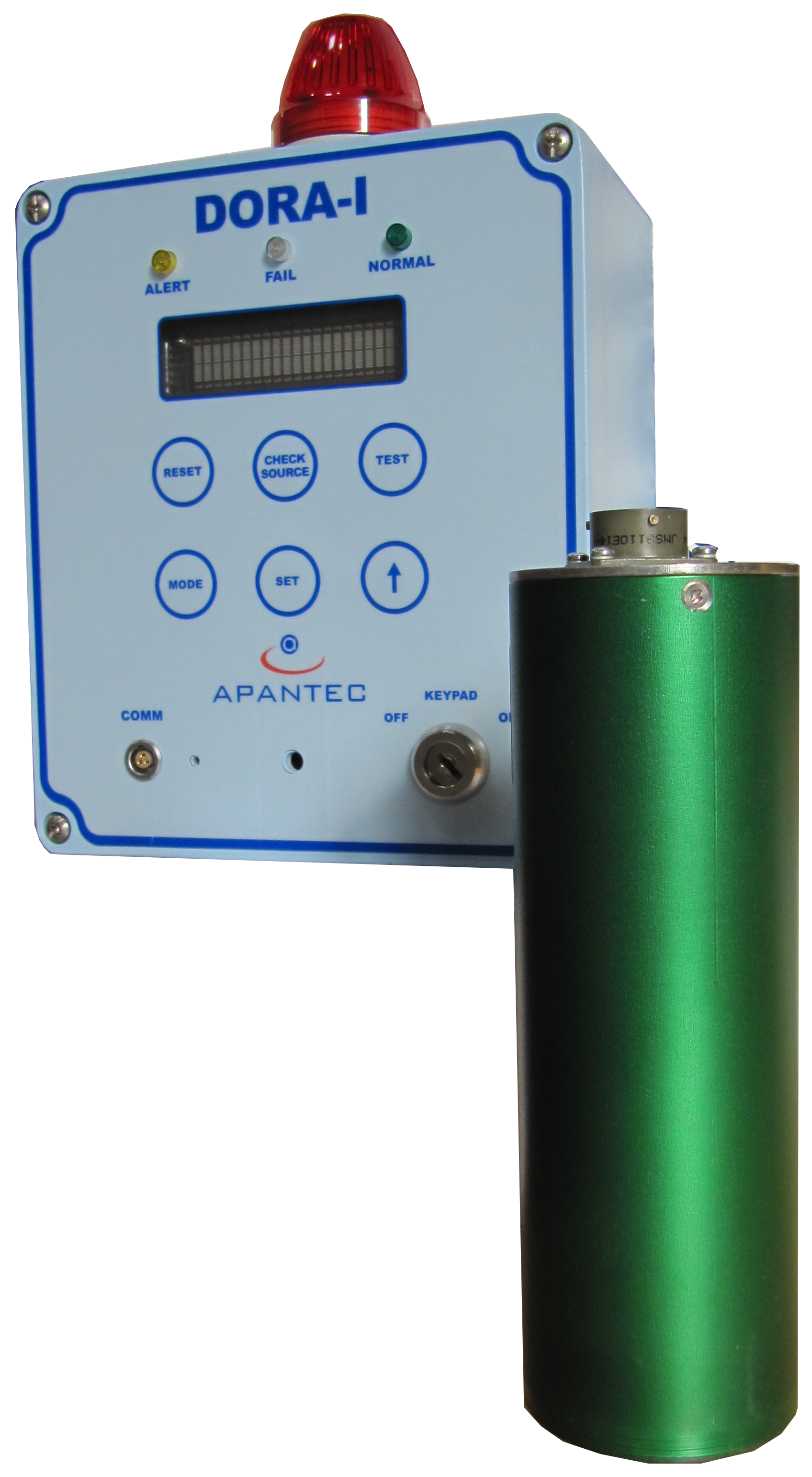
A complete criticality alarm system installed at the Bhabha Atomic Research Centre in Mumbai — three RM1W DCUs, three GI1VI detectors, 2-of-3 logic PLC, and full DORIS Server & Client integration.
State-of-the-art Process Radiation Monitoring (PRMS), Gas Stripper Effluent (GSERMS), and Wide-Range Boronometer (WRBS) systems delivered through Doosan Heavy Industries America for the Shin-Kori expansion.
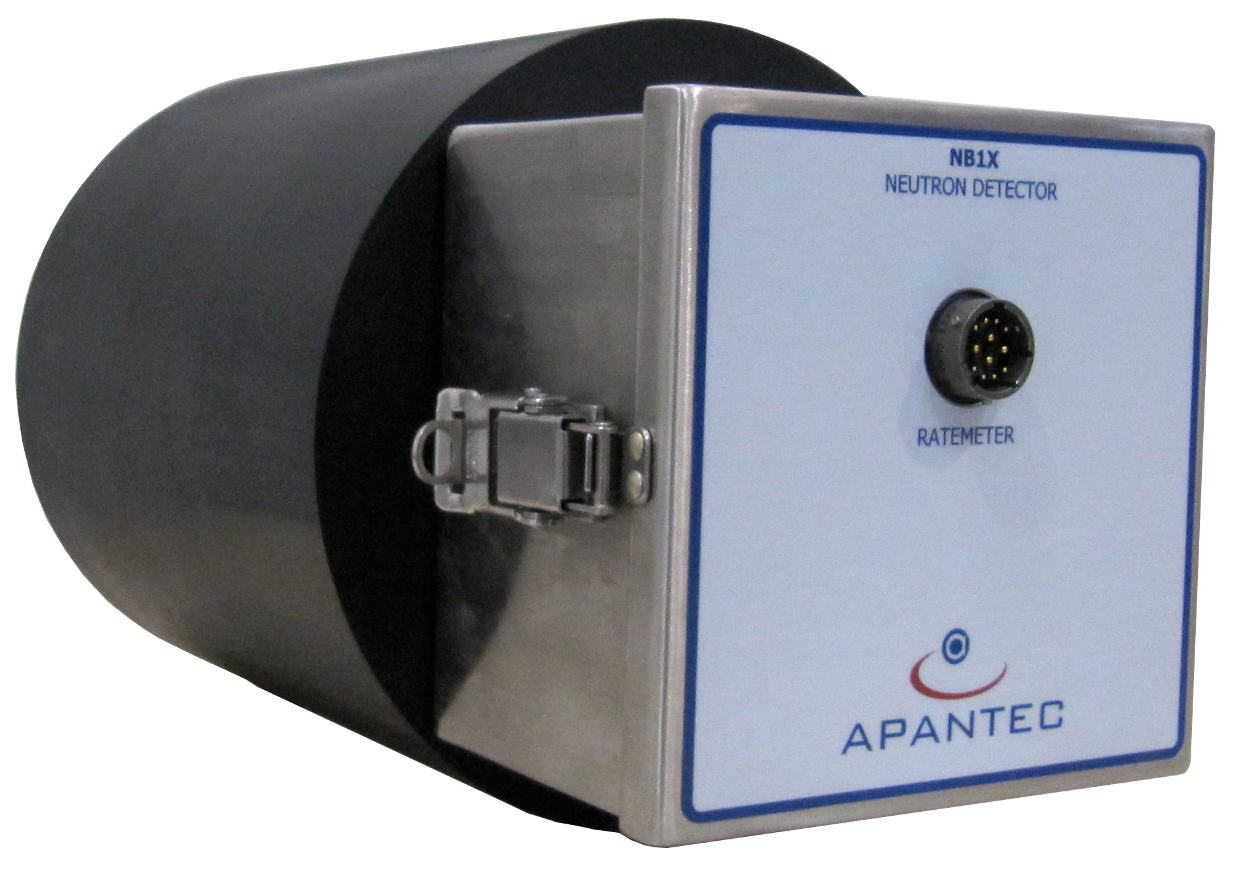
Fifteen channels of neutron monitors deployed at Michigan State University's Facility for Rare Isotope Beams to detect abnormal conditions during accelerator operation.